BUSINESS SYSTEMS / CREATIVE TECHNOLOGY / OPERATIONS
I solve problems and build better ways to work.
I look across operations, marketing, technology, and the data businesses already create to find opportunities other people miss. Then I connect the pieces, simplify the process, and build useful tools when owning the solution makes more sense than renting another service.
What I do when the org chart runs out of answers.
I work where marketing, operations, software, vendors, staff behavior, and customer experience are all secretly the same problem wearing different hats.
Closing flows, deposits, inventory checks, staff procedures, training shortcuts, and the little operational leaks that quietly eat the week.
Browser tools, PWAs, API-connected experiences, automation helpers, and scrappy but sturdy interfaces people can actually use.
Campaigns, menus, signage, merch, content pipelines, customer notifications, and promotion systems that connect to what the business can fulfill.
Vendor analysis with a bias toward truth: what problem are we solving, what will it cost to maintain, and who gets stuck with the weird edge cases?
Selected systems, built in the messy middle.
Real examples of turning recurring operational friction into tools, workflows, content systems, and customer-facing infrastructure.
Customer-facing product system
Online ordering + app-style customer experience
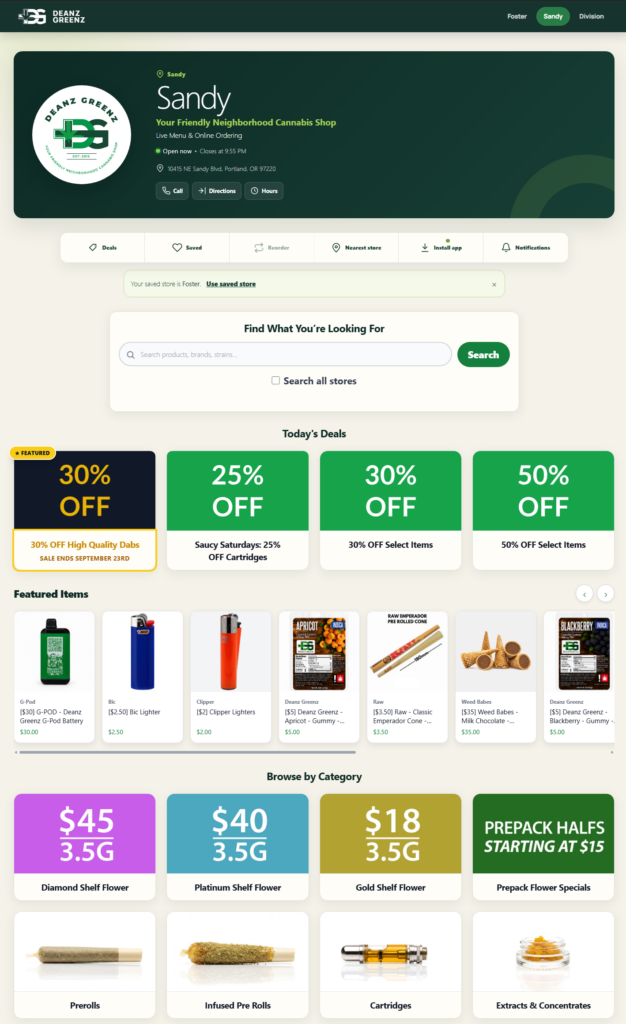
We already had an online ordering system we controlled when an outside vendor pitched us an expensive standalone app. Instead of assuming we needed another platform, I broke down what an app would actually improve for customers and built those useful capabilities into our existing website. The result was a more capable mobile shopping experience without adding another unnecessary system to the business.
- App-style mobile shopping
- Favorites, recent orders, and easier reordering
- Location-aware store experience
- Installable website and customer notifications
Retail content automation
Menu automation and brand system
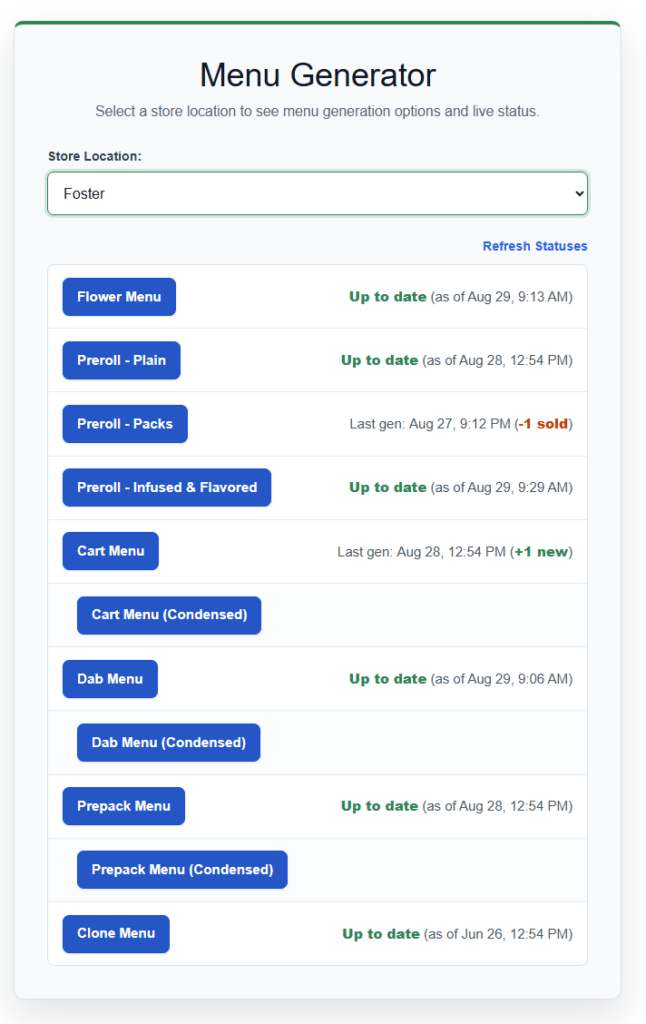
Menus, promotions, and in-store content should not be recreated by hand every time something changes. I design the system so the accurate version is the easiest version.
- Single-source product and promo logic
- Brand-consistent outputs
- Less manual formatting and checking

Inventory visibility
Second-stock checker and floor availability tools
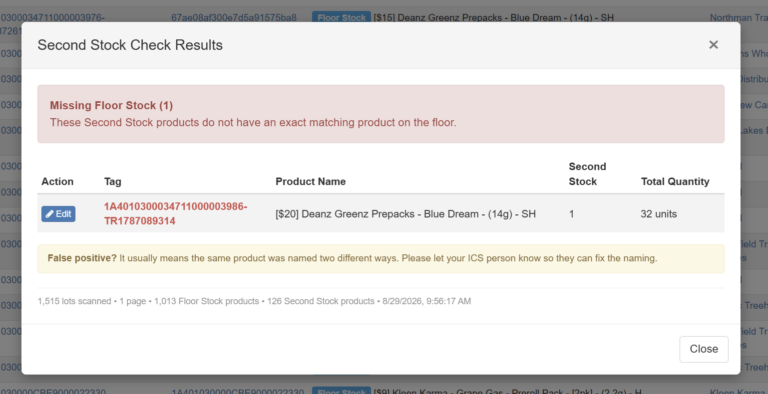
I built and shaped tools that help staff see what the system knows but the floor does not, reducing the gap between inventory data and customer reality.
- Browser-based inventory checks
- Exception spotting and workflow shortcuts
- Designed around noisy real-world data
Cash and closeout controls
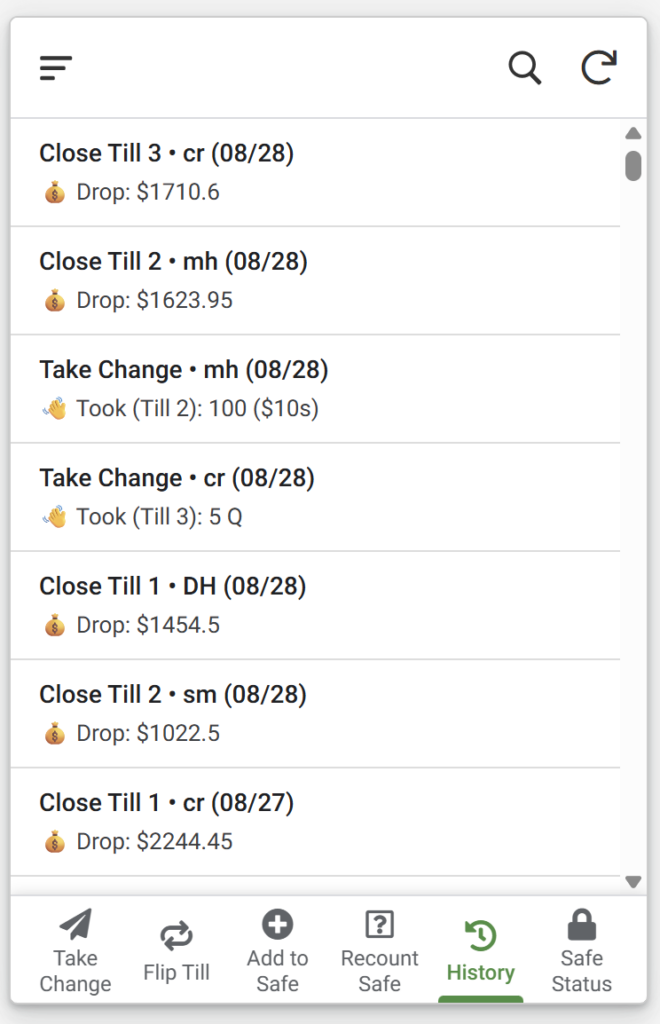
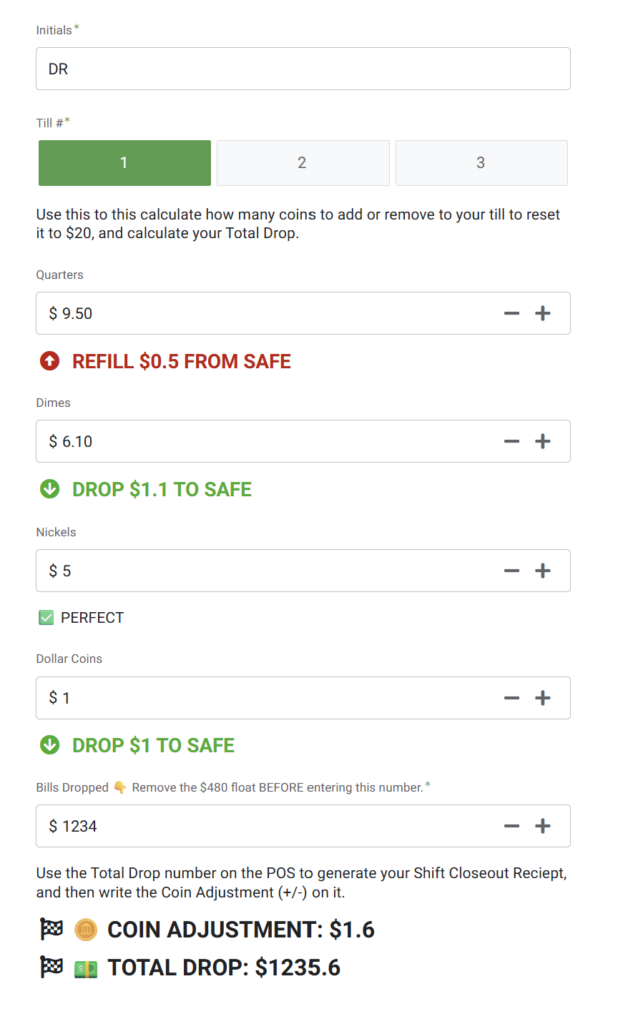
Closing, deposits, and cash-control helpers
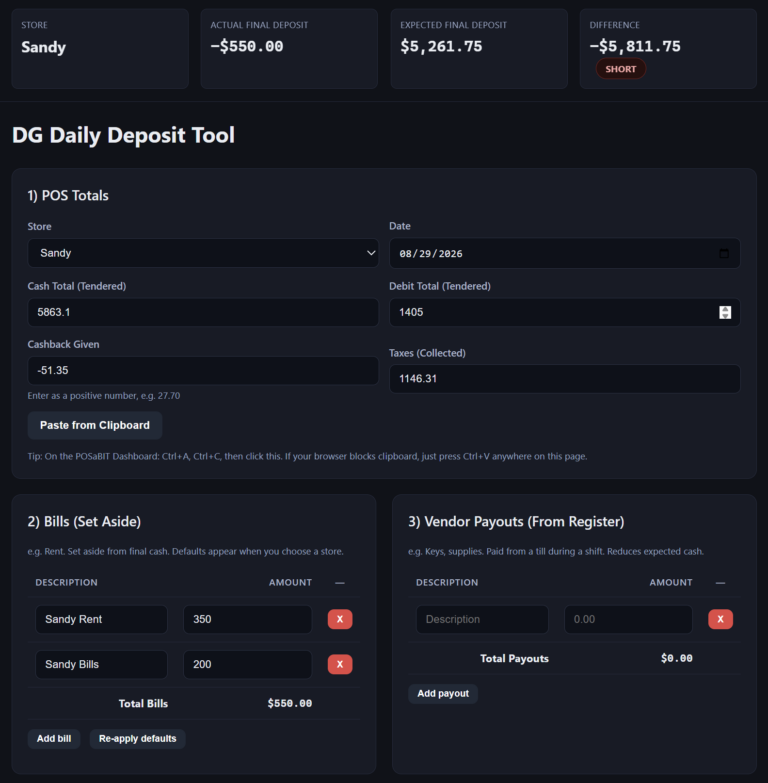
If a daily process depends on memory, math, and a tired human at the end of a shift, it wants a better interface. I build helpers that guide the correct behavior.
- Deposit and reconciliation workflows
- Training-resistant process design
- Cleaner handoffs and fewer mystery errors
Marketing operations
Customer notification and campaign systems
I connect promotional ideas to inventory, compliance, messaging, and staff execution so marketing creates demand the operation can actually absorb.
- Email, web, social, and in-store content flows
- AI-assisted production where it helps
- Practical checks for regulated retail

Physical retail systems
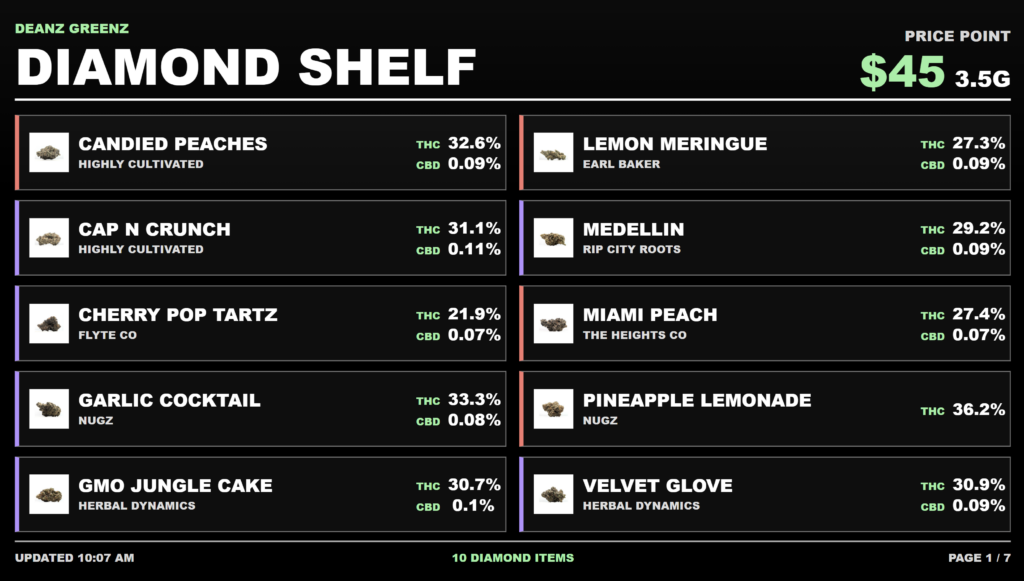
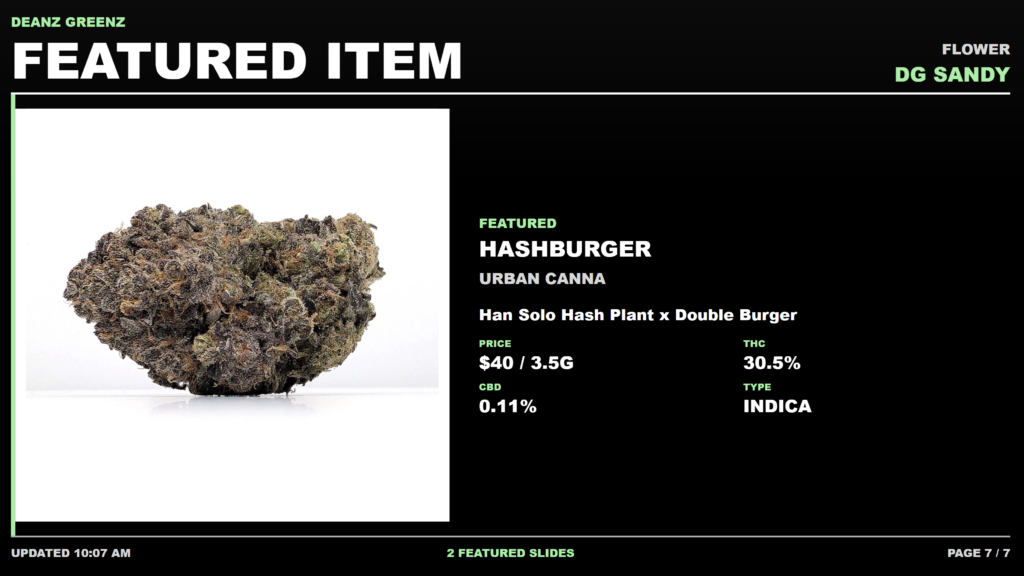
Digital signage, menu boards, and hardware-adjacent workflows
Digital signage, eInk concepts, kiosk behavior, network issues, staff documentation, and hardware workflows all live in the same place: the customer-facing mess.
- Retail environment design
- Hardware and vendor troubleshooting
- Documentation people might actually use
How I work.
AI is leverage. The job is still judgment: choosing the right problem, noticing the people who have to live with the solution, and making the tool simple enough to keep.
Find the repeated friction, unofficial workaround, vendor mismatch, or place where everyone is pretending the spreadsheet is fine.
Time, errors, missed revenue, compliance risk, staff stress, customer confusion, or the very expensive fog of nobody knowing.
Prototype fast, test with the real workflow, and keep the interface honest enough for busy humans.
Document it, simplify it, hand it off, and remove the drama. A good system should feel almost annoyingly obvious after it exists.
Ways I can be useful.
Systems audit
A focused look at where time, money, attention, and customer trust leak out of the current operation.
Prototype sprint
A practical build sprint for a tool, workflow, dashboard, automation, or customer-facing proof of concept.
Ops and growth infrastructure
Marketing systems, menu/content operations, customer notifications, internal documentation, and multi-location workflows.
Build-vs-buy translation
Vendor claims translated into real cost, maintenance burden, operational fit, and what should be built instead.
About Daniel.
I am a CMO by title, but the work has expanded into something more interesting: business systems, software prototypes, operational design, vendor evaluation, staff workflows, retail technology, creative campaigns, and the connective tissue between all of it.
I like the boring business stuff because that is where the leverage hides. I like the creative stuff because otherwise everything starts sounding like a conference badge. The best version is both: sharp enough for operators, strange enough to be memorable, and practical enough to work on a busy floor.